
What the backtracking of oil and gas climate ambitions means for corporate decarbonisation

Oil and gas companies’ efforts to position themselves in the net zero transition have always been perceived as somewhat counterintuitive. But their recent scaling back of climate ambitions, just as the sector prepares to take centre stage at COP28, is particularly controversial. So what is driving this backtracking, and how will it affect the sector and the world’s decarbonisation goals?
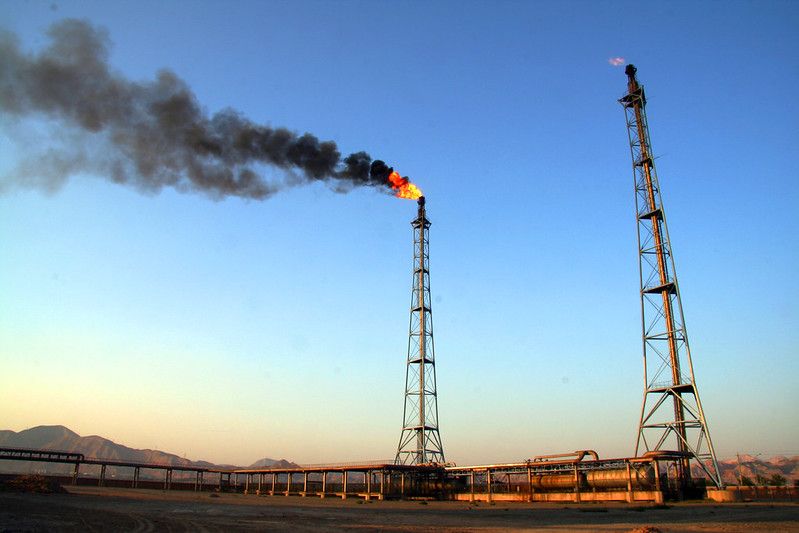
It’s no secret that the oil and gas sector is largely responsible for the crisis we find ourselves in. In 2022, the production, transport and processing of oil and gas emitted the equivalent of 5.1 billion tonnes of CO2. According to the International Energy Agency (IEA), this is about 15% of all energy-related greenhouse gas (GHG) emissions – and this number pales in comparison to the emissions generated by the consumption of oil and gas products. Last year, as the aviation sector continued to recover from the pandemic, emissions from oil consumption rose to 11.2 gigatonnes, or almost a third of the global energy total.