
How to foster more productive NGO-corporate relationships as a CSO
Civil society is a crucial driver of transformation for companies â but the relationship between NGOs and the corporate world is sometimes too conflictual to be productive. Sustainability leaders and nonprofits share their top advice for better collaboration.
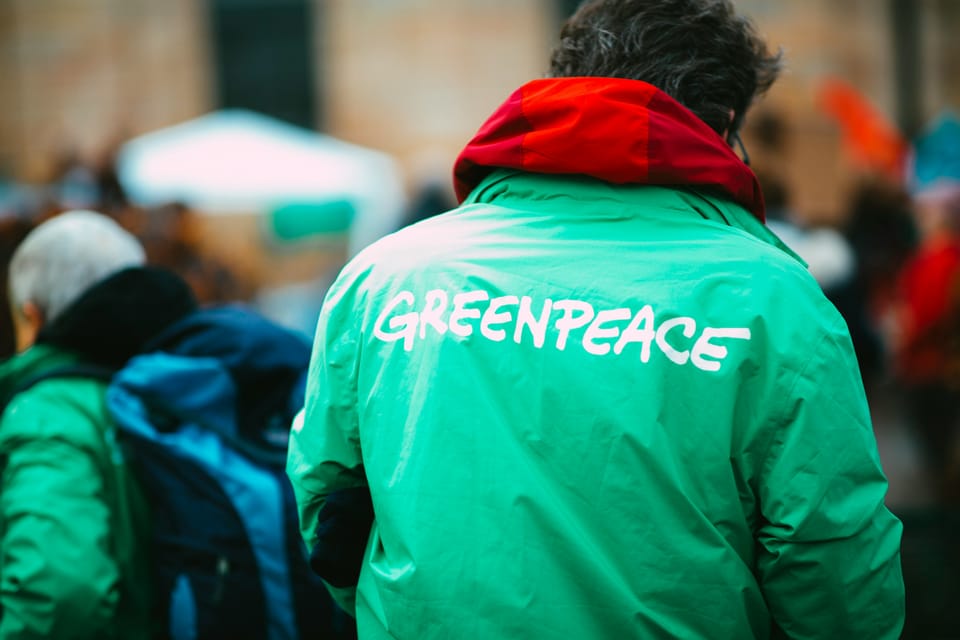
At a convening of sustainability leaders in the summer of 2025, two Chief Sustainability Officers had a disagreement. One regretted that civil society was âtaking a massive hitâ, with Greenpeace fined US$660 million (later reduced to US$345 million) in a US lawsuit brought by oil company Energy Transfer. They wished for âa more coherent civil society voiceâ to help the business world hold the line around sustainability and climate goals, and missed their presence at the table.

The other found that NGOs had âoverreachedâ for too long, trying to set the agenda at the business level without enough understanding of change management and complex value chains.
Both CSOs agreed that the simple mention of certain NGO names used to send shivers down the spines of company executives who feared being âbashedâ â whether criticism was well founded or not. And both expressed a desire for more productive collaboration with civil society.
Civil society reinvigorated by COP30
If NGOs took a backseat in recent years â and were notably excluded from conversations at COP28 and COP29 â the end of 2025 marked their grand return. At COP30, held on the edge of the Amazon rainforest, the Brazilian presidency actively invited civil society to participate in what it called the âGlobal MutirĂŁoâ â collective mobilisation.
And when Indigenous protesters blocked the entrance to the pavilion, COP30 President AndrĂ© CorrĂȘa do Lago spent hours listening to them, marking a turn from previous climate conferences, when protesters were dealt with by security forces.
So how can reinvigorated civil society groups push the corporate world further in their sustainability journey, while avoiding conflictual dynamics that hinder collaboration?
Early engagement for the win
For Marc Jessel, Chief Engagement Officer at nonprofit Forest Stewardship Council (FSC) International, early engagement is key.
"Most corporate-NGO relationships work best when they begin early â in the room, around the table, shaping solutions together. Thatâs the space FSC has been holding for decades,â he tells CSO Futures.
âWe see it in the way we bring companies, indigenous peoples and communities, environmental experts, and governments âinto shared processes: defining what responsible forest management requires, examining how it works on the ground, handling complaints and working through remedy when harm occurs. These experiences show that collaboration is most effective when technical expertise from different perspectives is brought in early â it challenges assumptions, strengthens decisions and builds the trust companies ultimately rely on."
Many companies â particularly in the consumer goods industry â have set up partnerships with NGOs, and their success relies largely on co-creation: the joint development of goals and measurement metrics.
Hard data for greater credibility
In an interview with CSO Futures this year, Bolton Food CSO Luciano Pirovano explained that working with WWF around sustainable fishing and with Oxfam on human rights forced the company to âhave clear objectives and to be accountableâ, in turn giving it greater credibility in the public eye.
Jessel adds that companies also face ârising expectations for hard evidenceâ, with regulators, consumers, and investors now expecting sustainability claims to be backed by independently verified data. NGOs can help with that: FSC, for example, offers a tool called Verified Impact â which provides validated information on outcomes within FSC-certified forests.
âBy highlighting audited, verified results such as hectares of forest conserved, species protected or community projects supported, companies can demonstrate genuine contributions to resilient ecosystems. And when technical specialists from NGOs help shape these measurement frameworks, the data becomes more accurate, more trusted and more useful for managing risk and demonstrating impact," he explains.
"Our experience is clear: collaboration that is inclusive from the outset and backed by transparent, verified evidence delivers deeper and more durable impact. And given the scale of todayâs climate and nature challenges, that integrity matters more than ever," Jessel sums up.
Access to expertise for aligned outcomes
B Corp-certified catering firm Pow Food also collaborates with a number of NGOs focused on regenerative agriculture, food waste reduction and community nutrition, which has helped the organisation strengthen sourcing policies, improve supply chain transparency and validate carbon-conscious practices.
Co-Founder and Head of Sustainability Emily Warburton comments: âThese collaborations give us access to expertise we wouldnât have in-house, whilst allowing NGOs to pilot real-world solutions at scale through our clients. From our perspective, the benefit is clear: when businesses and NGOs align on outcomes, you get solutions that are both scientifically robust and commercially realistic. We believe this model is essential for the food industry as it transitions towards healthier, lower-impact, ethically led catering.â
Joint communication for impactful campaigns
Finally, corporate-NGO partnerships can lead to impactful awareness campaigns, with the power to change consumer habits. For instance, Bolton has been running an educational marketing campaign with its NGO partner WWF since 2019, to push mothers with children to buy more sustainable tuna.
âWe have a cartoon with a young lady called Ondina, talking with the ocean about what sustainable fishing means, about the threats facing the ocean and all our commitments,â Pirovano explained during a CSO Futures webinar earlier this year. The campaign has resulted in stronger brand bonding and loyalty for Bolton â a result Pirovano is particularly proud of.
Inter IKEA Groupâs recently renewed collaboration with UNICEF has a similar goal, with the joint development of knowledge products, tools and guidance focusing on three key areas: family-friendly policies, childrenâs rights in a digital world, and Just Transition.
As Chief Sustainability Officer Lena Julle notes: âThis partnership is important for IKEA because it strengthens how we make responsible business decisions and shape the future of our business and the communities we touch. By bringing a child-rights perspective into our operations, we strengthen how we support families, protect those most at risk, and grow responsibly. Through our collaboration with UNICEF, we also want to raise awareness and inspire more businesses to put childrenâs rights at the heart of their actions.â
Member discussion