
2 min read

More than a quarter of new cars sold globally in 2025 are electric: Report

“This is a major turning point. In 2025, the centre of gravity has moved."

Melodie Michel
More than a quarter of new cars sold globally in 2025 are electric: Report
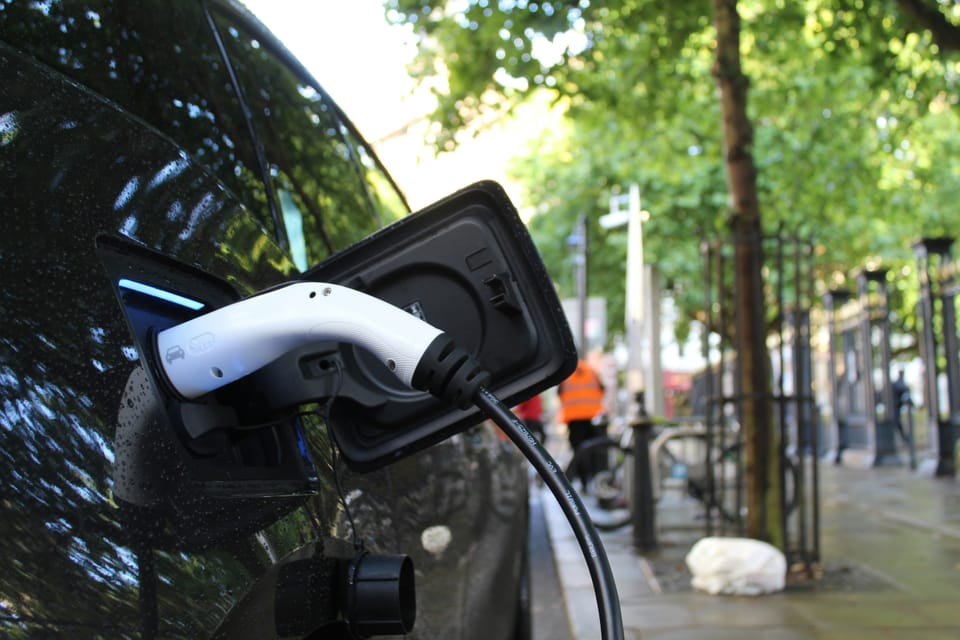
Photo by Andrew Roberts on Unsplash

New analysis by think tank Ember shows that more than a quarter of new cars sold in 2025 are electric, with growth increasingly driven by emerging markets.

There are now 39 countries where EVs make up more than 10% of new car sales, compared with just four in 2019, says Ember. And while much of the growth in recent years came from Europe, the Association of Southeast Asian Nations (ASEAN) region is now fast emerging as a new leader in transport electrification. 

Among ASEAN members, Singapore and Vietnam have both reached EV sales of around 40% of overall new car sales, outpacing the levels seen in the UK and the EU. Indonesia has reached 15%, surpassing the US for the first time, while Thailand has reached 20% – and has sold more EVs in the first three quarters of 2025 than Denmark. 

“This is a major turning point. In 2025, the centre of gravity has moved. Emerging markets are no longer catching up, they are leading the shift to electric mobility. These countries see the strategic advantages of EVs, from cleaner air to reduced fossil fuel imports. The assumption that EV growth will stall outside Europe and China is already outdated. Emerging markets will shape the future of the global car market. The choices made now on charging infrastructure and early support will determine how fast this momentum continues,” said Euan Graham, Ember Electricity and Data Analyst.

EVs growing fast in Latin America

Other regions are also gaining momentum. In Latin America, for example, Uruguay has reached a 27% EV share, roughly in line with the EU, while Mexico and Brazil continue to show steady growth. The two countries now sit above Japan, where the EV share has remained around 3% since 2022. 

Meanwhile, Türkiye has reached an EV share of 17%, overtaking Belgium to become Europe’s fourth largest battery electric vehicle market by volume.

These emerging markets are also driving the growth in Chinese EV exports: since mid-2023, almost all the growth in Chinese EV exports has come from non-OECD markets. 

Brazil, Mexico, the UAE and Indonesia are among the 10 largest destinations for Chinese EV exports in 2025, as these countries’ governments have introduced new policies to support EV adoption, including reduced taxes and incentives for domestic manufacturing.

Source: Ember

“The assumption that EV growth will stall outside Europe and China is already outdated. Emerging markets will shape the future of the global car market. The choices made now on charging infrastructure and early support will determine how fast this momentum continues,” added Graham.

EV take-up impacting fossil fuel demand

Ember adds that the increasing adoption of EVs worldwide is already having an impact on fossil fuel demand: In Brazil, where electricity mostly comes from hydropower, battery electric vehicles cut fossil fuel demand by around 90%. In Indonesia, they cut it by close to half.

According to the think tank, EVs are three times more efficient than internal combustion engine vehicles, which means they can deliver large reductions in oil use even in countries that still rely heavily on fossil fuels for power generation.