
2 min read

Plastic pollution on path to more than double in the next 15 years

Plastic-related emissions will also grow by 58% as production continues to ramp up.

Melodie Michel
Plastic pollution on path to more than double in the next 15 years
Photo by Trust "Tru" Katsande on Unsplash

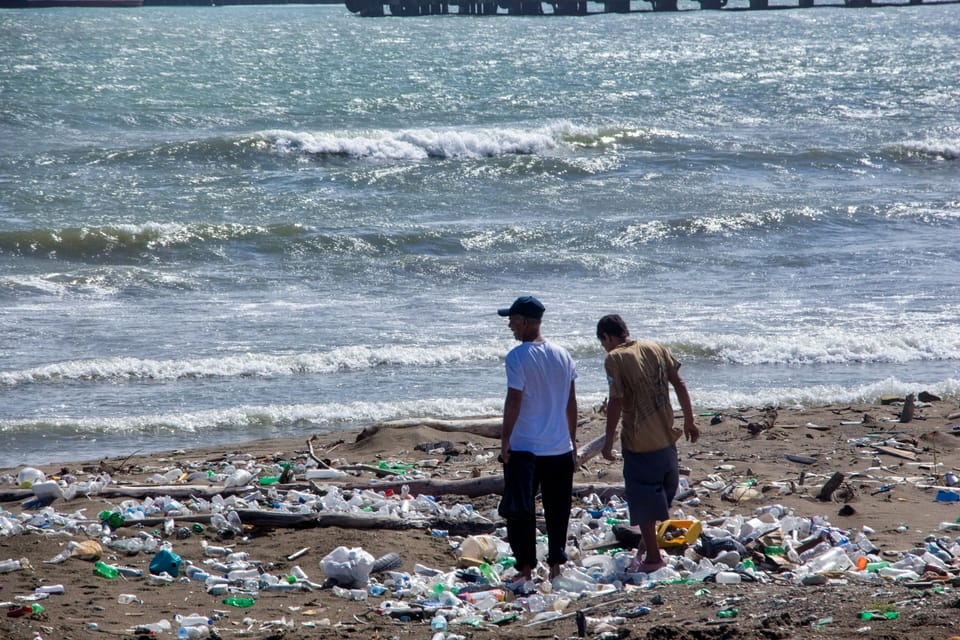
Plastic pollution will more than double over the next 15 years from 130 million to 280 million metric tonnes if no action is taken, according to a new Pew report.

The findings – supported by ICF International, the Ellen MacArthur Foundation, Imperial College London, Systemiq and the University of Oxford – show that plastic pollution is “much worse than previously thought”, and that action by governments and companies is still largely ineffective.

By 2040, plastic production is set to grow by 52% (twice as fast as waste management capacity), increasing emissions from this activity by 58% – yet countries are still failing to agree on a production cap as part of Global Plastics Treaty negotiations. 

This is expected to increase the health impacts from the presence of plastic in our bodies, water, air and food by 75%.

“This research shows that the impacts of plastic extend far beyond just waste in the environment,” said Winnie Lau, who leads Pew’s work to reduce plastic pollution. “Plastic has been found throughout people’s bodies and is increasingly linked to serious health risks, including heart disease, asthma and cancer. Plastic proliferation is also putting the environment in jeopardy and places significant strain on government budgets.”

Solutions to plastic crisis already available

Lau added that the good news is that we already have the tools to fix our world’s plastic problem – and if policymakers and companies are willing to transform the system now, “they will reap substantial benefits by doing so”.

The report explains that existing policy solutions can cut plastic pollution by 83% by 2040 – and almost eliminate pollution from packaging. This could have substantial additional benefits, including a 38% reduction in annual greenhouse gas emissions from plastic, a 54% reduction in health impacts from plastic production and waste, a US$19 billion decrease in yearly governmental spending on plastic waste collection and disposal, and the creation of 8.6 million jobs. 

Yoni Shiran, partner and plastics lead at Systemiq, said: “Transforming the global plastic system is not only vital for the planet and human health, it’s also an extraordinary economic and social opportunity. By redesigning how we make, use and reuse materials, we can create millions of better jobs, support local economies and lift people out of poverty, while also dramatically reducing pollution and emissions. This is the kind of systemic change that benefits everyone – people, nature and business alike.”

Delaying action would be costly

However, the world has no time to waste to implement these solutions: even a five-year delay will allow an additional 540 million tonnes of plastic to enter the environment, cost governments an extra US$27 billion annually on waste collection and disposal, and risk billions of dollars of investment in outdated infrastructure.

Richard Bailey, professor of environmental systems at the University of Oxford, added: “It is clear from this report that the trajectory of global plastic pollution is not a marginal problem but a rapidly intensifying, urgent, systemic risk that small incremental measures will not solve. As we show, substantial reductions are achievable if currently available interventions are implemented at scale and without delay. Compared to business as usual, early, coordinated action can bring tremendous environmental and societal benefits, and this is all within our reach.”

Microplastics – which are expected to make up 79% of all plastic pollution in high-income economies by 2040 – might be more difficult to tackle. The report estimates that existing solutions can deliver a 41% reduction in microplastic pollution, but that more innovation will be necessary to truly tackle this problem.